Subway Tile: How the Same Rectangle Can Give Every Wall a Different Personality
In observing one individual subway tile, it will likely appear fairly straightforward. It’s usually rectangular, longer than it is wide, and doesn’t have a lot of decorative details. But once several tiles are placed next to each other, the wall is completely transformed now.
What makes subway tile interesting isn’t just the color or finish. The way the tiles are laid plays a huge role, too. Simply switching from a staggered layout to a straight stack, or from a horizontal layout to a vertical one, can completely change the feel of the entire wall.
1. What Is Subway Tile? The Interesting Part Isn’t Really the Individual Tile
Subway tile is typically a long, rectangular tile. The small size and portability of the tiles make them suitable for use in places such as kitchen splashbacks, vanity walls, and bathrooms.
The term “subway tile” is derived from the rectangular tiles used in subway systems. Over time, this tile style moved from public spaces into residential interiors. Today, though, subway tile is no longer limited to white or one standard size.
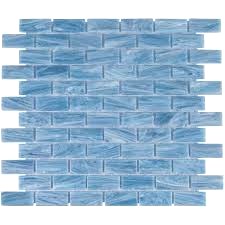
As the form is quite basic, the arrangement becomes a key element in the composition. One tile doesn’t say much on its own. But when dozens or even hundreds of tiles are installed together, the grout lines start creating a rhythm.
2. Change the Tile Layout, and the Wall Takes on a Different Personality
Subway tiles create a completely new atmosphere depending on how the tiles are laid out.
That also means you don’t necessarily have to switch to a completely different tile when you want a new look. Sometimes, simply changing the way the subway tile is installed is enough.
Staggered Layout for a Familiar Look
A staggered layout is one of the most common ways to install subway tile. Each row is shifted slightly from the row above or below, so the vertical grout lines don’t run straight from top to bottom.
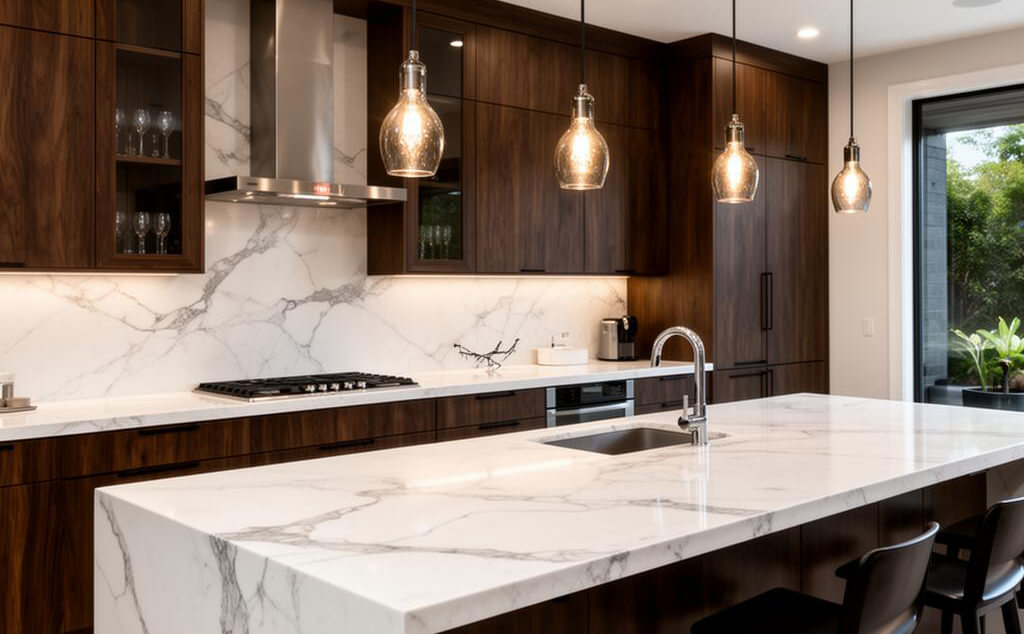
This layout creates a subtle rhythm. It doesn’t feel too rigid or too attention-grabbing, which is why it often has a familiar, easygoing look. Pair it with wood cabinets, a simple stone countertop, or neutral-colored furniture, and the overall look is usually pretty easy on the eyes.
It’s also a safe choice if you like subway tile but aren’t quite ready to try a more unusual layout.
Straight Stack for a Cleaner Look
When subway tiles are lined up directly with one another, the horizontal and vertical grout lines form a clear grid. As a result, the wall tends to look cleaner and more structured.
This design complements areas that feature clear and simple lines. Flat-panel cabinets, lightly patterned countertops, and furniture with simple shapes can pair especially well with straight-stacked subway tile.
Though, because the grout lines run completely through, the preciseness of the installation becomes more noticeable. If one row is slightly off, the entire grid can make that mistake easier to see.
Ascend To Take the Eye With You
Another option is to turn the tile vertically.
Now the long edges of the tiles run from bottom to top. This orientation can draw more attention to the height of the wall. This is the reason why the vertical subway tiles are used as kitchen back splashes or behind the vanity in the bathroom.
It won’t actually make the room taller, but it can create a stronger vertical visual effect. It’s a pretty noticeable difference, considering all you did was rotate the tile 90 degrees.
3. Some Subway Tiles Look More Interesting When They Aren’t Perfectly Perfect
It is not necessary for all subway tiles to be perfectly edged and smooth on the surface. Some styles have slightly uneven edges, while others have subtle variations in the glaze. One tile may be a little lighter, while another may be slightly darker.
A Textured Surface Changes the Way Light Hits the Tile
With a completely flat surface, light tends to reflect fairly evenly. But when subway tile has a slightly uneven or textured surface, light can hit each tile at different angles. Even from afar, there is still one wall that is visible, having the same color. But as you move around the room or the lighting changes, individual tiles start to stand out more. This effect works well if you like white subway tile but don’t want the wall to feel too flat or cold.
Glossy and Matte Finishes Create Different Looks
Glossy tile reflects more light. On a kitchen backsplash or in a bathroom with plenty of natural light, a glossy finish can make the wall feel brighter. Matte tile, on the other hand, reflects less light. This gives the surface a softer, more subdued feel. Neither finish is always better. What matters more is whether the tile surface works with the lighting and materials around it.
4. Sometimes the Grout Color Gets More Attention Than the Tile
White Tile with White Grout
When white subway tile is paired with white grout, the lines between the tiles become less noticeable. From a distance, the entire surface can almost blend into one bright area. This works well when you want the subway tile to act more like a background.
White Tile with Dark Grout
Simply switching to dark gray or black grout can make the same white subway tile look completely different. The individual tiles become much more defined, and the grout lines create strong horizontal and vertical lines. The layout also becomes easier to see. When there is spacing between the characters, the pattern becomes more prominent. With a straight-stack layout, the grid becomes much more pronounced. At this point, the grout color is practically part of the design itself.
Grout in beige, gray or brown for softer appearance
You don’t have to choose between white and black. Light gray, beige, or brown grout can create a moderate amount of contrast. The grout lines are still visible, but they don’t stand out as strongly.
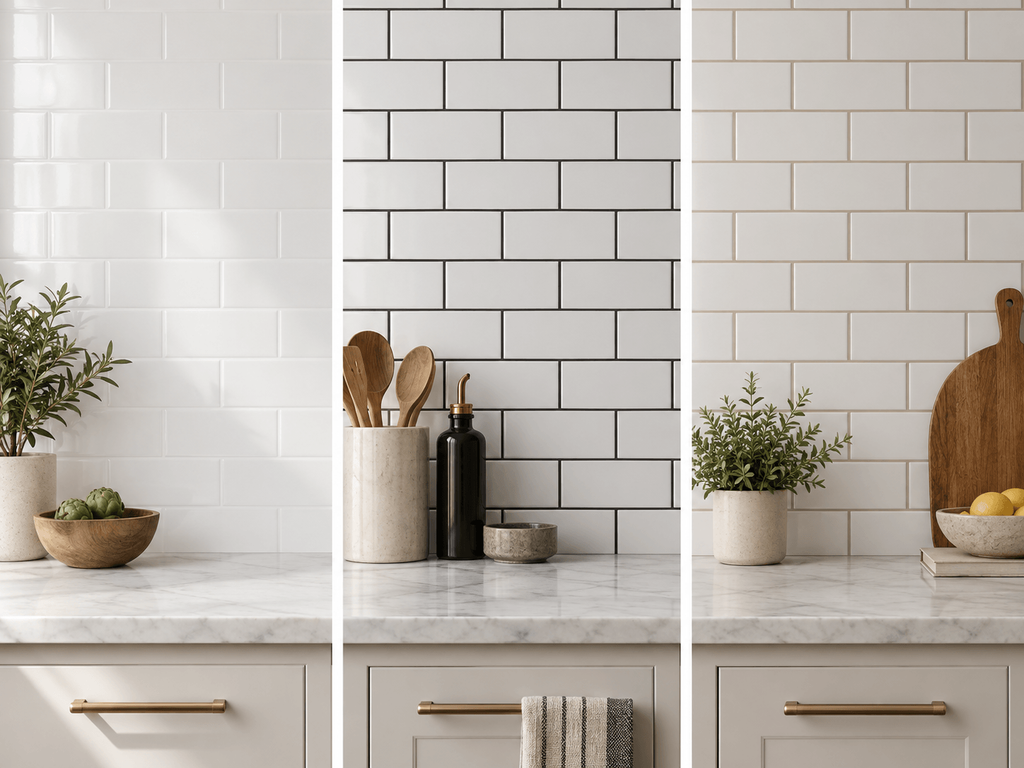
This is a good balance if you want the subway tile pattern to stand out a little but not make the entire wall appear to have an imposing grid.
5. You Don’t Have to Run Subway Tile From One End of the Wall to the Other
One easy way to make subway tile more interesting is to know where to stop. Not every wall needs to be fully tiled. Sometimes, stopping the tile at a certain height gives the space more visual rhythm.
Use Subway Tile on the Lower Half of the Wall
You may install subway tile on the bottom part of your bathroom wall and paint or cover the top portion with something else. This creates a clear transition between the two sections of the wall. If the tile and paint colors are similar, the transition can feel subtle and seamless.
Use Subway Tile to Define a Specific Area
You don’t have to tile the entire bathroom. You could use subway tile around the vanity or inside the shower area. The same idea works in the kitchen. A small section of wall behind the countertop may be all you need for subway tile to make an appearance. Keeping the tile limited to one area prevents the pattern from being repeated too much throughout the space.
6. Where Does Subway Tile Work Best in a Home?
Kitchen Backsplash
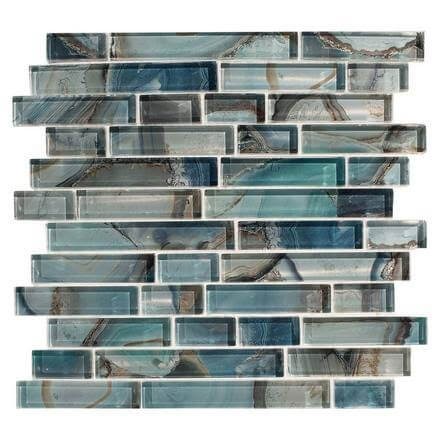
This is one of the most familiar places to use subway tile. A subway tile backsplash can run from the countertop up to the upper cabinets. Because the area usually isn’t very large, the tile layout and grout color are easy to notice. In a small kitchen, light-colored subway tile with grout that closely matches the tile can keep the backsplash feeling light and simple. If you want the backsplash to become a focal point, you can choose a darker tile color or try a different layout.
Bathroom
Subway tile is also commonly used behind a bathroom vanity, around a tub, or inside a shower. Here, the layout can change depending on the wall. A narrow wall section may work well with vertically installed subway tile, while a long wall can use a horizontal layout to create a rhythm that emphasizes the width.
Niches and Small Accent Areas
A recessed wall niche in a bathroom can also be a great spot for subway tile. Because the area is small, it’s a good place to experiment with a bolder color or a layout that’s different from the rest of the room. That way, you can create a distinct focal point without changing the entire space.
7. What makes subway tiles less attractive?
A beautiful subway tile doesn’t automatically create a beautiful wall. Installation and layout planning matter just as much.
The Final Row Is Too Narrow
If you don’t plan the height ahead of time, the final row may end up being just a very narrow strip of tile. Those thin cuts can look awkward and unfinished. That’s why it’s a good idea to plan the rows before installation. However, sometimes moving the start slightly up or down would do just fine to prevent getting tiny pieces at the end.
The pattern ceases to evolve at the corners.
If your subway tile maintains a consistent pattern but cracks at the corner, then you’ll see it instantly. This is especially important with staggered layouts. The way the two walls meet needs to be planned before the tile goes up.
Outlets and Plumbing Fixtures Cut Across the Tiles
These may seem like small details, but they can have a big effect on the finished look. If an electrical outlet lands right along the edge of a tile or leaves only a tiny piece of tile beside it, the installation can end up looking awkward. Whenever possible, plan the locations of outlets, faucets, and cabinet edges together with the tile layout.
Conclusion
The appeal of subway tile isn’t that a single tile has a lot of decorative detail. In fact, its shape is pretty simple. That simplicity is exactly what gives it so many different possibilities.
Change the subway tile layout, and the wall looks different. Change the grout color, and individual tiles can either stand out or blend in. Switch from a flat finish to a textured one, and the way light moves across the surface changes, too.
So when choosing subway tile, don’t just ask which tile looks good. Look at the whole wall. Think about the layout, grout lines, lighting, countertop, cabinet color, and even where each row of tile will end.
When all those details work together, subway tile becomes more than just a familiar rectangular tile—it becomes part of the overall design of the space.
Explore some subway tile choices for your room before deciding on one.